
Why burnout is so often missed
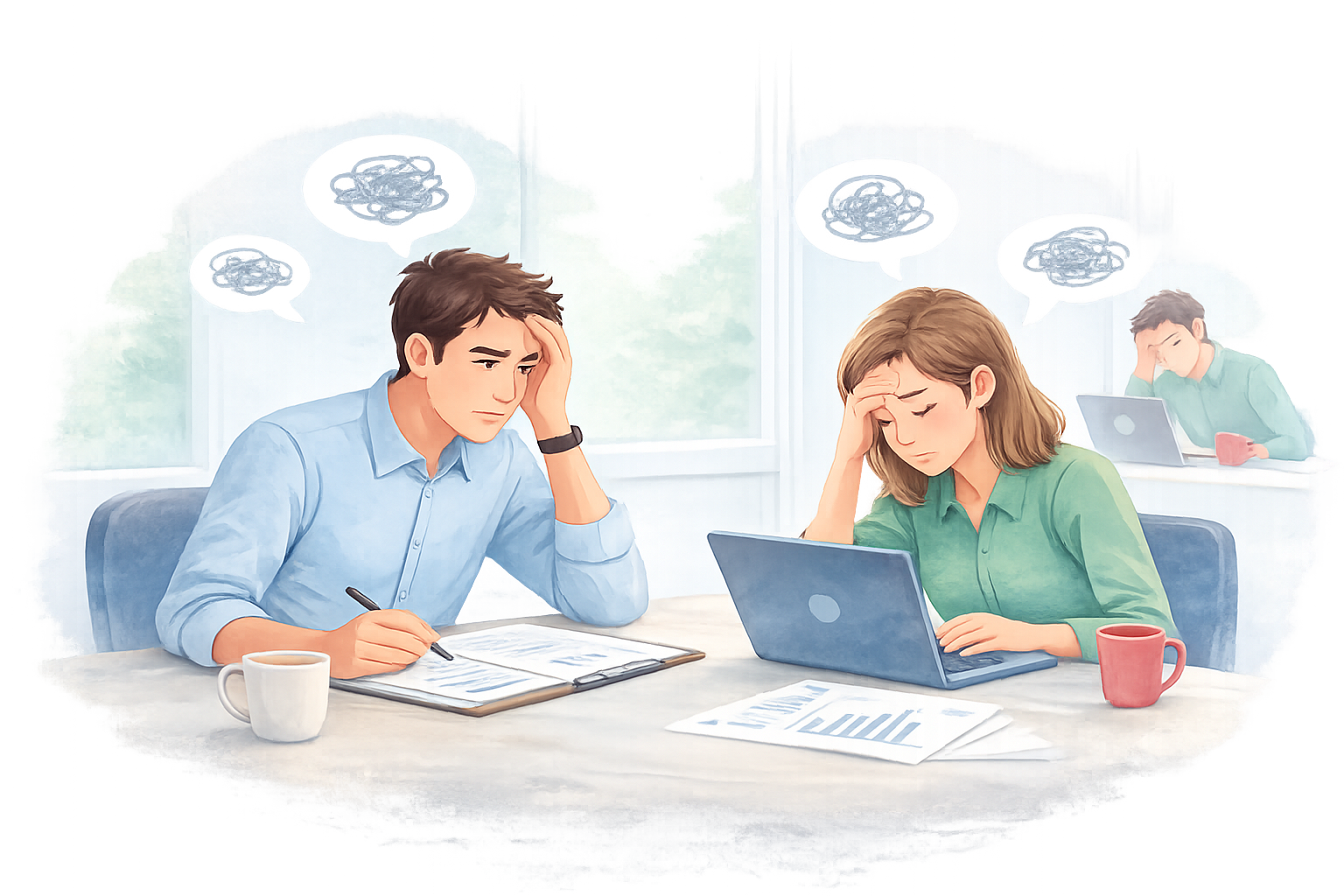
Burnout develops gradually, and early warning signs are often subtle — easy to overlook or rationalise as part of everyday life. With many possible symptoms and no single, obvious pattern, it can be difficult to recognise until someone is already well along the path.
In many workplaces, high stress has also become normalised. Without a shared and safe way to recognise or talk about it, concerns stay unspoken and issues remain unaddressed until they reach a breaking point.
Why it Matters
Quiet disengagement that erodes performance
Leaders running out of capacity
Teams under strain and conflict
Declining judgement, creativity and decision-making
Long-term health consequences
Some of the organisations I’ve helped are:










Approach
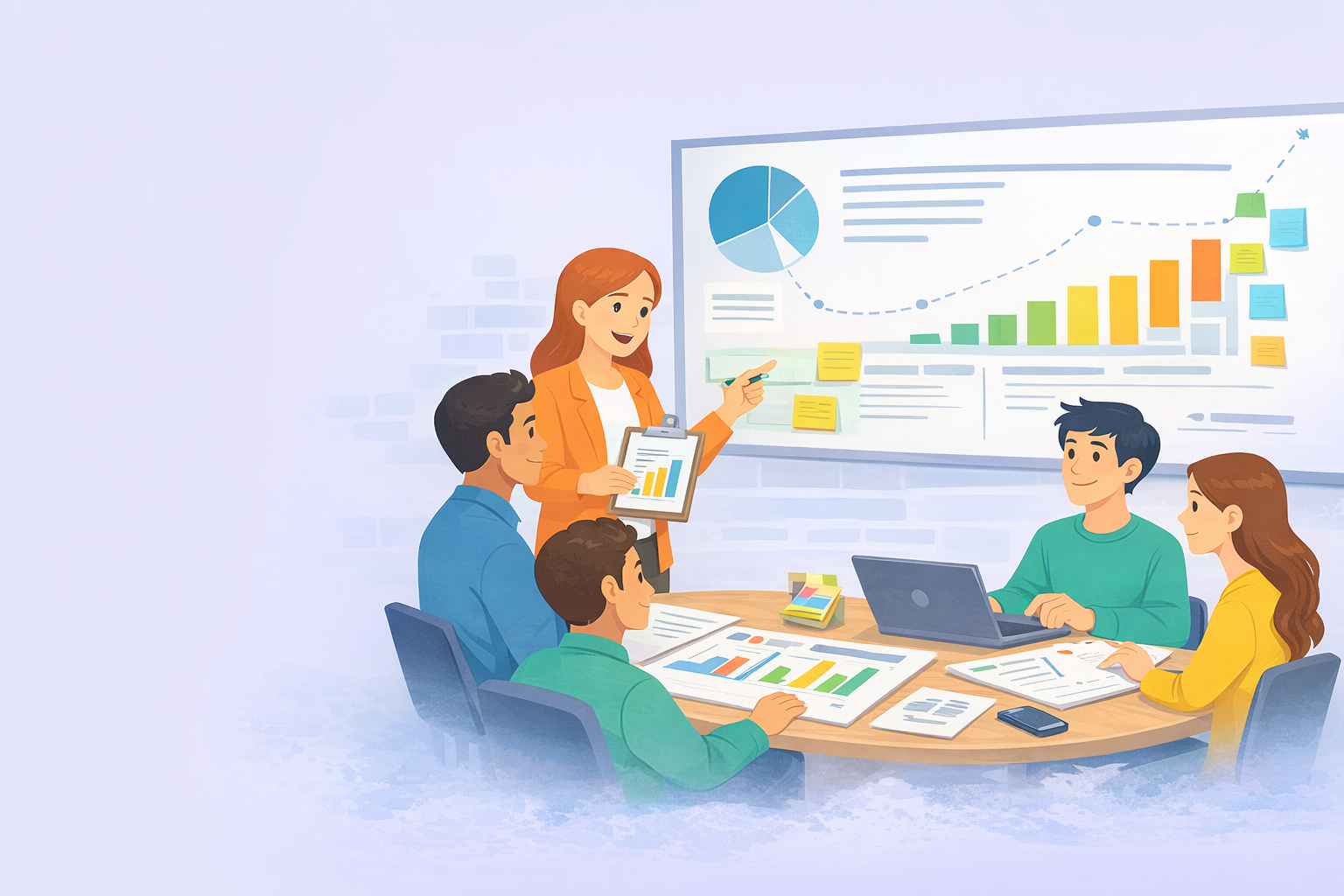
Data-driven, systematic and practical
Burnout is not a single event or endpoint, but a continuum of risk that develops over time. My research shows that people typically move through a series of identifiable stages, marked by common patterns and indicators.
Preventing burnout therefore requires earlier awareness and insight to recognise warning signals before they escalate. It also requires acknowledging that the causes of burnout are not only personal, but are shaped by work environments, team dynamics and organisational systems.
For this reason, my approach combines personal insight with anonymised, aggregated reporting at team and group levels — creating safe platforms for practical conversations and focused action.
When stress is made visible, measurable and discussable, it enables earlier intervention, more meaningful dialogue and healthier, more sustainable performance.
The AURA Framework
A common standard for evaluating burnout risk
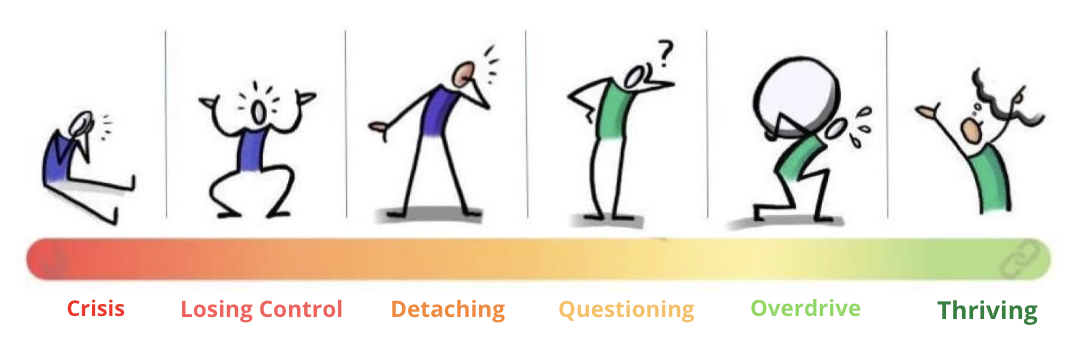
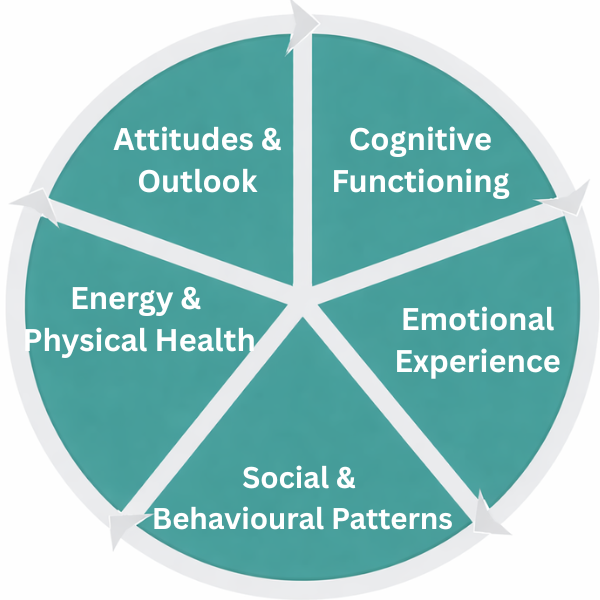
The AURA framework was developed in 2016 through a 2 year research project and has been psychometrically validated. It has been applied across organisations in over 15 countries worldwide.
Based on a comprehensive research study, I developed a framework called AURA to provides a structured way to understand and manage burnout risk.
AURA shows burnout as a continuum of risk, reflecting a series of identifiable stages and maps warning signals across 5 areas where they can show up.
Evaluating stress levels in this way enables early recognition of risks so preventative actions can be taken - before a crisis.
It also provides a common language to discuss stress experiences and pinpoint priority issues.
Used by leaders, teams and individuals from organisations including:

What Clients Say
*
What Clients Say *

“We now believe measuring (and managing) resilience is more important than engagement ”
Treesan Boonma, Head of HR, Booking.com
“Superb. I hadn’t realised how stress had been impacting me - and now I have practical tools to help me cope and be at my best”
Kylie Laidlaw, Associate Director, Headhunter
"Our use of AURA was invaluable in assessing our resilience challenges both personally and as a team”
Maria Elkin, CEO, Equal Justice
"The team were able to uncover opportunities to create healthier habits and as a management team, we were able to better understand the pain points and put in place a targeted action plan to address these”
Sarah McLellan, Head of Professional Services