Burnout Prevention Programme
Build Awareness. Drive Action. Sustain Change.
A structured, data-driven programme to help employees, teams and leaders quantify stress levels, recognise warning signs and take focused actions to mitigate burnout risk and build long-term resilience.


Our Burnout Prevention Programmes enable organisations to take a proactive, systemic approach to managing stress.
Combining our Stress & Resilience Assessment, aggregated reporting, and facilitated workshops, we help organisations measure and manage the impact of stress across their workforce.
Each employee completes the confidential AURA assessment, building personal awareness of their stress patterns and resilience risks.
Aggregated reporting provides collective insight into stress across teams and departments — pinpointing hotspots and priority areas for action.
The Result: a measurable, scalable, and sustainable approach to burnout prevention — grounded in science and focused on driving measurable outcomes.

How It Works
-
1 Briefings & Engagement
Kick-off sessions for participants and managers introduce the programme, emphasising leadership commitment and confidentiality.
-
2 Individual Insight
Every participant completes the AURA Stress & Resilience Assessment to gain a personal understanding of stress and access tailored strategies for improvement.
-
3 Collective Understanding
Confidential reports reveal patterns across teams, departments and geographies providing a fact-based platform for action.
-
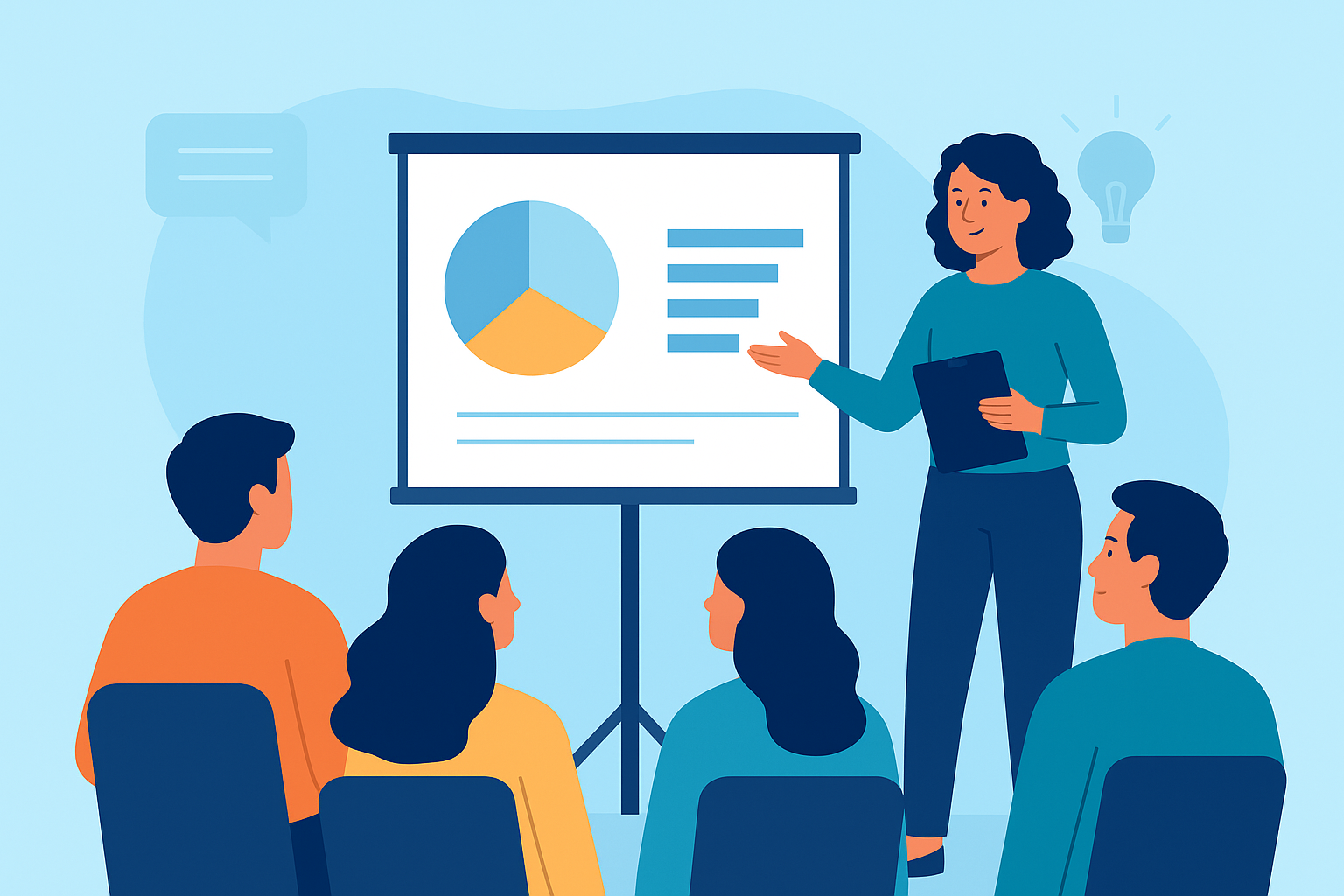
4 Action Planning Workshops
Facilitated sessions turn data into dialogue. Teams and leaders identify root causes, agree actions and commit to practical solutions.
-
5 Capability Building
Managers and leaders receive guides and resources to support ongoing conversations about stress, ensuring that insights are sustained and embedded into team culture.
-
6 Progress Tracking
Regular re-assessments and dashboards track change over time, reinforcing accountability and supporting continuous improvement.
Programme Options
Organisational Wide Programme
For companies seeking a systemic approach to managing burnout risk and improving wellbeing across the workforce.
Includes:
Employee and manager briefings
Workforce assessments with personal and organisational reporting
Analysis by sub-groups such as department, geography, business area
Cultural and systemic driver analysis
Long-term tracking and reporting

Team Programme
For managers and their teams wanting to understand and address stress dynamics directly.
Combines team-level assessments with facilitated workshops to co-create action plans.
Includes:
Team-level AURA assessment
Facilitated debrief and collaborative action planning sessions
Manager support tools and conversation guides
Optional follow-up sessions to address common skills gaps and/or review progress.
Key Outcomes
Employees empowered with greater self-awareness and resilience
Teams aligned, open, and proactive about wellbeing
Leaders equipped with actionable data and confidence to act
Increased psychological safety
Systemic improvements to support sustainable performance.